
Thoughts on EMDR, Attachment, Psychoanalysis & Deeper Change
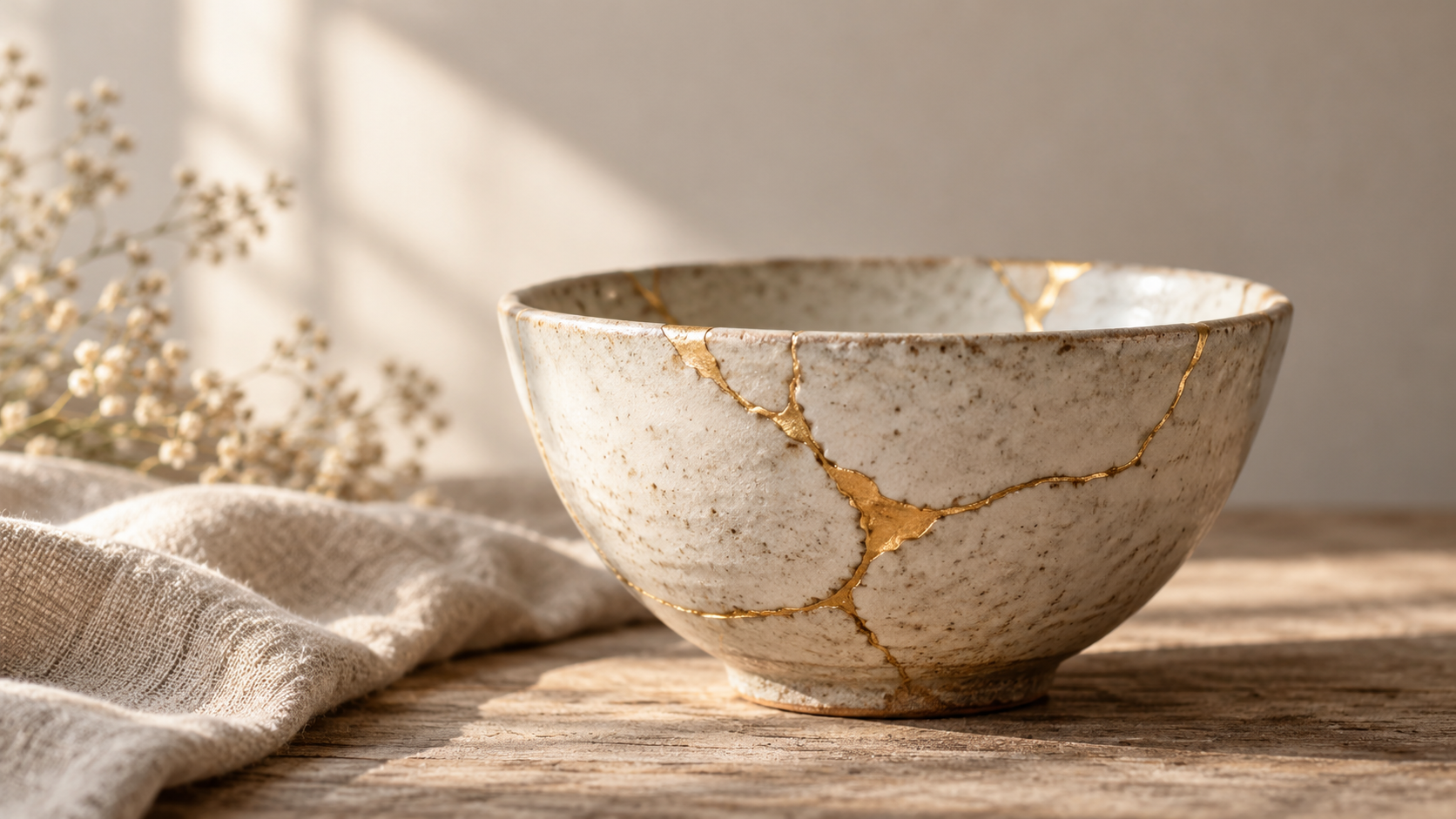
The Art of Rupture and Repair in Relationships
Rupture is inevitable in close relationships, but what happens next matters. Learn how repair, accountability, empathy, and emotional safety can strengthen romantic relationships, friendships, family relationships, and more.

The Parts of Ourselves We Don’t Want to Know: Understanding the Shadow in Psychology
What happens to the parts of ourselves that don’t fit the identity we have built? Explore the psychology of the shadow, projection, envy, resentment, and the disowned parts of ourselves that may be asking to be understood.

What Is Object Relations Theory? Understanding the Relationship Patterns You Didn't Know You Were Repeating
Why do we keep repeating the same relationship patterns, even when they leave us feeling hurt or disconnected? Object relations theory suggests that the emotional templates we develop in childhood continue shaping how we experience love, conflict, and connection as adults. In this post, you'll learn how these unconscious patterns form, why familiar often feels safer than healthy, and how understanding them can be the first step toward meaningful change.

The Hidden Forces Shaping Your Life: Why Uncovering Unconscious Defense Mechanisms Can Change Everything
Many of the patterns that keep us feeling anxious, stuck, or disconnected aren't conscious choices—they're unconscious defense mechanisms that once helped us survive. This article explains what defense mechanisms are, why they develop, how they quietly shape our relationships and emotional lives, and how therapy can help bring them into awareness. Learn why understanding your defenses isn't about blaming yourself, but about recognizing the protective strategies your mind created and discovering new ways of relating to yourself and others with greater freedom, authenticity, and connection.

Why Emotionally Immature Partners Feel So Addictive: Understanding the Psychology Behind Anxious-Avoidant Relationships
Why do emotionally immature or emotionally unavailable partners feel so difficult to let go of? Learn how attachment wounds, intermittent reinforcement, nervous system activation, and self-esteem can make unhealthy relationships feel like chemistry—and how healing can help you choose secure, emotionally available love.

Covert Narcissism (Vulnerable Narcissism): Signs, Relationship Patterns, and How to Heal
Covert narcissism, also known as vulnerable narcissism, is often misunderstood because it looks very different from the grandiose narcissism most people recognize. In this article, learn the signs of vulnerable narcissism, how it impacts relationships, why accountability and repair can be so difficult, and what healing may look like for both those struggling with these traits and those affected by them.

Circadian Rhythm, Light, and Mental Health: The Missing Piece in Depression, Low Energy, and Modern Wellbeing
Feeling tired, unmotivated, anxious, or down? The problem may not be a lack of willpower. Learn how circadian rhythm, morning sunlight, evening darkness, and modern lifestyle habits influence mood, energy, sleep, and overall mental wellbeing.

Polyvagal Theory: Understanding Trauma, Safety, and the Nervous System's Path to Healing
Polyvagal Theory offers a compassionate way to understand trauma, anxiety, shutdown, and people-pleasing as nervous system responses rather than personal failures. Learn how the body moves through safety, mobilization, and collapse—and how EMDR and trauma-informed therapy can support healing.

Codependency vs. Intimacy: Why Your Attachment Style May Be Confusing the Two
Many people confuse codependency with intimacy—or mistake intimacy for codependency. Learn how attachment styles shape our understanding of closeness, why some relationships become emotionally fused while others avoid connection, and what healthy interdependence actually looks like.

Luck Isn't Random: How We Create More of It Than We Realize
s luck something we're born with, or something we create? Drawing from Richard Wiseman's research and a psychoanalytic, attachment-based perspective, this article explores why we often attribute others' success to luck, what envy can reveal about our own unrealized desires, and the question that may matter more than how much money or success you want: What problems are you willing to have?

The Grief You Don’t Realize You’re Carrying
Grief is not just about death. It lives in the quiet losses we don’t always name—the relationship that changed, the life we thought we’d have, the connection that faded. When grief goes unrecognized, it often shows up as anxiety, disconnection, or feeling “off.” This post explores how hidden grief shapes our emotional world and why acknowledging it can be the first step toward real relief.

We Are in Relationship With Everything. These Three Matter More Than You Think.
You already know what to do. So why are you not doing it? The answer is not a lack of insight. It is your relationship to responsibility, uncertainty, and discomfort. These three relationships shape more of your life than you realize.

Depression Isn’t Always a Diagnosis—It Might Be Direction
Depression isn’t always something to fix—it may be a signal. Learn how low mood, lack of motivation, and a loss of purpose can point to deeper misalignment in your life.

Shame vs. Accountability: Why They Feel Similar—but Lead to Opposite Outcomes
Shame and accountability often get confused, but they lead to very different outcomes. Shame is a protective response formed early in life that says “I am bad,” while accountability allows you to take responsibility without losing your sense of self. When shame is activated, the nervous system moves into defense, shutdown, or self-attack, making repair in relationships nearly impossible. True accountability requires safety, regulation, and the ability to hold nuance: I can be a good person and still cause harm. If you struggle with shame, it may be blocking your ability to receive feedback, stay present, and create deeper connection.

Are You Using Your Attachment Style to Grow… or to Stay Stuck?
You’ve learned your attachment style—but now what? Understanding your patterns can be powerful, but it can also keep you stuck if it becomes your identity. This post explores how to use attachment insight for real growth, healing, and more secure relationships.

Altruism as a Defense Mechanism: When Helping Others Is Hiding Something Deeper
Altruism is often seen as a strength, but what if constantly caring for others is also a way of avoiding yourself? In this post, I explore altruism as a defense mechanism through a psychoanalytic lens, including how it develops, how it shows up in high-functioning adults, and why it can quietly contribute to anxiety, burnout, and disconnection.

Limerence: How Intense Attraction Can Block Real Intimacy
You think about them constantly. You feel pulled toward them. It feels intense, meaningful, even consuming. But the relationship isn’t actually deepening. This is often limerence, an attachment pattern where intensity replaces intimacy.

Why Nothing Changes Even When You’re “Doing the Work” This Is Why You Still Feel Stuck (Even Though You’ve Tried Everything)
You’re self-aware. You’ve done the work. And yet, the same patterns keep showing up. If you’ve ever wondered why nothing is really changing, this might explain why.

What You Judge in Others Is a Mirror: Why You Feel Irritated and What It Reveals About You
The people who irritate or frustrate you may be reflecting something deeper. This post explores how judgment can act as a mirror, revealing parts of yourself, your values, and unmet needs, and how to use those moments for self-awareness and growth instead of staying stuck in reaction.

The Anxious–Avoidant Relationship: Why It Feels So Intense (and So Painful) on Both Sides
Struggling in an anxious–avoidant relationship? Learn how attachment styles create push–pull dynamics, why it feels so intense, and how individual therapy, EMDR, or couples therapy can help you build secure connection.